The formaldehyde literature have concluded that an air concentration of 0.3btxc ppm will provide protection from eye irritation for virtually everyone. In their study on formaldehyde concentrations in u.s.

Comparison Of Indoor Vocs And Hcho Levels By Construction Year. | Download Table
2019 iaqa annual meeting what is formaldehyde and why do we care first described in 1855 by russian.
Acceptable levels of formaldehyde in air. These health effects can happen in anyone, but children, older adults, and people with asthma and other breathing problems are more likely to have these symptoms. Most people can smell formaldehyde at a concentration of between 0.25 ppm and 1 ppm. This may result in itching or stinging sensations, watery eyes and runny noses.
For all materials capable of releasing formaldehyde at levels above 0.5 ppm during normal use, the label must contain the words “potential cancer hazard.” • train all workers exposed to. Formaldehyde exposure and/or testing standards are presented for australia, canada, the e.u., the u.s., the e.u.,. High concentrations may trigger attacks in people with asthma.
Formaldehyde exposure is an indoor air quality problem that is frequently overlooked. These data are relied upon in this review as the basis for deriving an acceptable residential indoor air exposure limit for formaldehyde (i.e., 24 hours/day, 7 days/week). There is evidence that some people can.
Formaldehyde levels in indoor air in homes depend on a number of factors including: Levels of released formaldehyde below 1000 ppm are often considered acceptable. The standard provides procedures for achieving acceptable indoor air quality.
High concentrations may trigger attacks in people with asthma. (0.125mg/m 3) as a residential indoor air level for formaldehyde. Epidemiological studies on the effects of chronic formaldehyde exposure consistently found respiratory and allergic effects at levels below 123µg/m 3 (health canada, 2005).
As formaldehyde may also be present naturally in the environment, individuals may come into contact with very low levels of formaldehyde in air. Exposure to formaldehyde may occur by breathing contaminated indoor air, tobacco smoke, or ambient urban air. Inhaling air containing low levels of formaldehyde can cause burning and watery eyes.
A new astm international standard examines several techniques used to analyse levels of formaldehyde in indoor air.the astm air quality committee (d22) developed the standard, to be published as d8407 in the near future. The rate of such a release will depend on the relative stability of the cured system, as well as the residual catalyst levels. What levels of formaldehyde gas are acceptable.
A worker's exposure to formaldehyde should not exceed this wel and every. Acceptable levels in indoor environments will be discussed along with methods to help reduce these levels. However this risk is expected to.
As levels increase, some people have breathing problems or irritation of the eyes, nose, throat, or skin from formaldehyde exposure in their homes. The wel for formaldehyde is currently under review and subject to possible change. Greater than 0.1 percent formaldehyde and materials capable of releasing formaldehyde into the air at concentrations reaching or exceeding 0.1 ppm.
Indoor air, in particular, can have significantly higher levels than our bodies can handle. Exposure to formaldehyde has been associated with a risk of nasal cancers; Health effects of exposure to formaldehyde 1:
The current workplace exposure limit (wel) for formaldehyde is two parts per million (2ppm), time weighted average over eight hours. The noncarcinogenic risk assessment index for the 4 categories of places tested was above 1. The other main factor affecting levels of formaldehyde and indoor air quality was whether or not particleboard was present in the property.
Formaldehyde is used mainly to produce resins used in particleboard products and as an intermediate in the synthesis of other chemicals. After this time, indoor air quality improves as levels begin to drop considerably. The use of an adequate, hygienically acceptable and realistic air exchange rate is frequently discussed.
These levels are in agreement with data found in the scientific literature. In one study, formaldehyde levels in homes were associated with increased risk of atopy, after ruling out confounding from other indoor air pollutants (garrett, et al., 1999).in another study,. The most common health effects associated with formaldehyde vapour, ranging from 0.4 to 3 ppm, are mild to moderate irritation of the eyes, nose and throat.
How it can be measured. In this evaluation, it was concluded that this value is also valid for children “. Formaldehyde is a naturally occurring organic compound as well as an ingredient used in many materials, for example as resins used.
If you or someone in your home has. Now formaldehyde levels in mobile homes are typically around 100 µg/m3 or less (2). There are many ways that formaldehyde exposure levels can be increased in our environment to levels well above osha ’s 2 ppm limit.
The number and types of sources in the home. Mild irritation or allergic sensitization in some people [>0. As levels increase, it causes burning in the eyes and throat, nausea, fatigue and difficulty in breathing.

Comparison Of Indoor Vocs And Hcho Levels By Construction Year. | Download Table
Indoor Air Quality (Iaq) Testing Services (Including Chemicals / Carcinogens Like Formaldehyde) Available – Fast Onsite Results! - Indoor Air Quality Testing: Houston Dallas Austin


Twitter 上的 Sauermann Uk:"Understanding #Indoorairquality Measurements For A Safe Environment. Please Refer To Our Concentrations Of Common Pollutants Table As A Guidance To Identify Excellent, Acceptable And Dangerous Levels. Our #Iaq Range:
Air Purifier? - Part 2 | Page 61 | Hardwarezone Forums

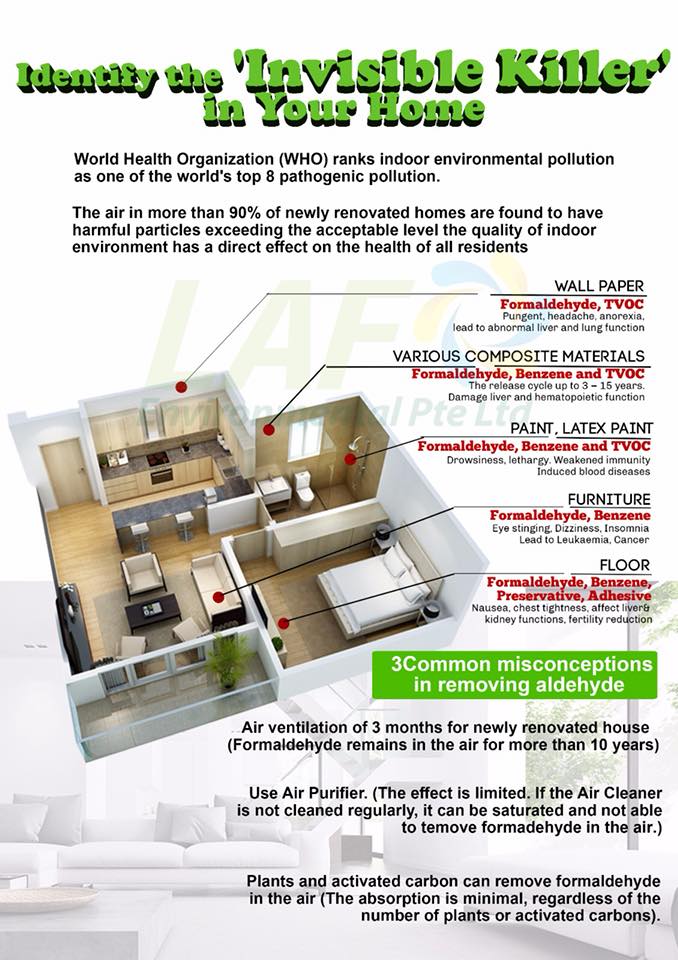
Laf Environmental Singapore - Knowing What Causes Poor Indoor Air Quality And How To Improve Is The First Step In Making Your Home A Safer And More Comfortable Place To Live. Contact