Aging systems with large numbers of collocated crimped connections. Flexible cable using class 5 conductors:
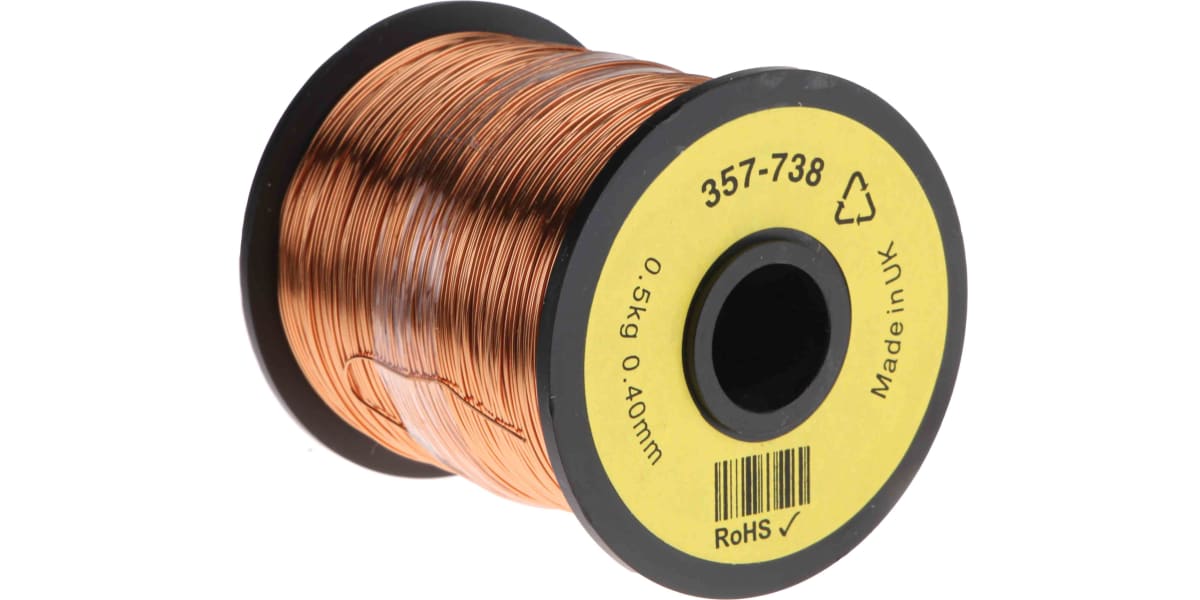
Rs Pro Single Core 0.45Mm Diameter Copper Wire, 400M Long - Rs Components Vietnam
18 rows stranded for use overhead outdoors on insulators for distribution circuits, also for.
Tinned copper conductors for simple circuitr. Copper has been used in electrical wiring since the invention of the electromagnet and the telegraph in the 1820s. This is where tinning comes into play. In terms of physical properties, bare copper wire is soft and has excellent.
570mm x 90mm x 60mm. Belden wire & cable co. The term solder may also be used to describe a substance that joins two items together.
Tinned copper fuse wire is one of the common and simple fuse element used in semi enclosed fuses for maintaining the safety of electric equipment. Unfortunately, there is no reasonable scientific merit behind the gimmick claims. The similarities between copper braided wire and winding wire lie in that both of them are materials that play a certain role in the protection of the circuit.
Corrosion resistance, especially in wet or saltwater. Sounds simple but there’s more to it than that. One disadvantage of all three types, however, is that they are less flexible and have a shorter flexlife [3] than ordinary conductors.
As current flows through a connection, the. Stranded for use overhead outdoors on insulators for distribution circuits, also for grounding. Tinned copper conductors for easy adhesion:
Class 5 flexible conductor stranding: Common points of tinned copper stranded wire. Topcoated conductors are similar to overcoated conductors except that the overall tin coating is applied to a conductor composed of untinned copper strands rather than tinned strands.
Because of this, these wire. Maximum short circuit temperature 350°c (max 5s). They play a very important role in the use of the circuit.
The invention of the telephone in 1876 created further demand for copper wire as an electrical conductor. Tinned coated concentric stranded copper conductor. Tinned copper can extend the life of your cable, but it isn’t easily retrofitted.
Here are some other benefits of tinned copper wires: Copper is a great conductor of electricity. It is much easier to make a solder joint when using tinned wire because there is no interference by copper oxide.
Bare copper and tinned copper wires are equally conductive, but the latter provides robust protection against corrosion and oxidation. Glass insulated tinned copper conductors are suitable for use in high temperature areas: That's where tin comes into play, and.
The following range of earth bars with twin disconnection links are available in both standard copper and tinned copper versions: Theoretically, the amount of current that can be passed through a single bare copper wire can be increased until the heat generated reaches. Heat, caused by an electrical current flowing through a conductor, will determine the amount of current a wire will handle.
The cable you have encounted for a socket. Copper itself has many beneficial characteristics making it highly desirable however it does have short comings. Bare copper wire is a copper wire drawn from a pure copper rod, which looked yellow in the past;
Copper wire is used in power generation, power transmission, power. A resistance increase within a crimp caused by tin plated wire can disrupt matched impedance circuits and cause signal reflections. When considering bare or tinned copper, the environment should be a determining factor in the wire selection process.
The material used is tin plated copper. Earth bar dimensions (length x width x height) unit weight. Copperweld century grid products have been protecting the power grid for over 100 years.
Three differences between bare copper and tinned copper: In the days of tough rubber cables, the copper strands were tinned to prevent the sulphur in the tough rubber attacking the copper. Use the tinned copper you have.
Copper is the electrical conductor in many categories of electrical wiring. Copper is a good conductor, has good tensile strength and corrosion resistance. The tinned coating also melts at a temperature very close to the melting temperature of the solder, so any residual oxide that may be present will flow away from the.
Allows for operation in high temperature applications* Well, the short answer is that tinned copper is copper coated by a base alloy such as solder better known as tin. Tinned copper conductors minimises corrosion in marine environments:
Tinned copper conductors for easy solder adhesion: Hence bare copper wire is not a bad choice to use. When pvc cables were created the manufactures still used tinned copper, they then realised that there was no need to tin the copper, as pvc does not damage the copper.
Tinned copper wire looks silver because tin is silver metal.