#1 the brine refill cycle. 13 votes) make sure the brine line is fitted securely to the safety float.
Hard Water Softener Brine Tank Salt Level Led Bar Graph Monitor - Robot Room

Iron in water and control valve.

Is it normal for my water softener tank to refill. I like to tell water softener owners to consider your water softener brine tank to be empty at 1/3 of a tank, and full at 2/3 of a tank. Run it under some hot water for a few minutes to remove any clogs or debris. If this is the case with you, then don’t worry because i am about to cover a variety of topics that have to do with a water softener brine tank level.
Dump this water too, then refill the tank with salt. The brine tank could overflow. Generally, you will add salt to your brine tank about every 8 weeks.
While it is being run under the water, gently move the float up and down to make sure that it is moving freely. To ensure that your water softener has enough salt to operate properly, the brine tank must be always at least 1/3 of the way full. A larger family will use more water compared to an average family, which means that regeneration will occur more frequently.
The drain pump should connect the brine tank and the water line leading to the water softener. The only way to overfill a water softener is by. This type of tank should hold water 24/7, and the size of the tank will determine the exact amount of water it stores.
Table of contents [ hide] consequences of using a water softener without salt. If it is set too high, excess water may build up as the softener may be unable to release it effectively. The different types of brine tanks would have varying capacities to hold the water in the tank.
At last, set the machine for the regeneration process the upcoming night. No, you cannot overfill a water softener with salt. However, can you overfill a water softener with salt?
Carefully remove the float by removing the lid on the cylinder inside your tank and lifting the float out. The brine tank would have the salt and water to make the brine work as usual. However, first of all, make sure to arrange your tank as it will be heavy enough very soon.
Find a bucket that is small enough to fit inside your brine tank or use a large scoop or bowl. The five stages of regeneration are: If you have a newer water softener tank, it is likely that it will have a dry brine tank.
This way you should never let your water softener run out of salt, and if you fill the tank a little bit over 2/3. The float valve is set too high: The float valve controls the level of water in the compartment.
Then, disconnect the hose leading from the brine tank to the water softener. Most water treatment specialists recommend that the salt level in the brine tank be three to four inches above the water level. Correspondingly, how often do you need to add salt to a water softener?
Scoop out all of the water by hand and dump it into a larger container to dispose of. Depending on how hard your area’s water is (find facts for the city of phoenix here) this process can use somewhere within the. The water level should be from 6 to 19 inches high.
Salt is the only substance that can be used to soften water. The average water usage of an american is usually 100 to 175. The softening resin will be saturated and exhaust shortly.
You can simply scoop out all of the water in your water softener by hand with a bucket. Since we’ve established that it can be difficult to predict when your tank may need refilling, there are two. Can hold anywhere from 3 and 6 gallons of water.
Fix the issue by cleaning out the brine tank completely and repacking the salt properly. There are many reasons why your wet brine tank might contain less water than it needs. Our expert water specialists at mcgowan water can help determine the valve’s settings based on the quality of your water, the size of your resin tank, household water usage, number of people living there, etc.
As you use water from the tank the shutoff valve to the system will open and water will start flowing through your ro system to refill the holding tank. The mass of salt can block off the fill line in the brine tank, preventing it from refilling. Add salt to your brine tank when the level of the salt is at about 1/3 of the way up the tank.
The first stage of the regeneration process is the brine refill cycle during which water flows into the brine tank creating a salt brine solution. This includes answering the question ‘how much water should be in my water softener’s brine tank’. Water or air leakages will cause a malfunction of your water softening system and an overflow of water in the brine tank.
Typically, a wet brine tank will hold between 3 and 6 gallons of water, with a water level from around 6 to 19 inches in height. First, to drain the brine tank, shut off the power to the water softener. Set the float valve lower to fix the problem.
The brine efficiency is determined based on the water level in the tank. Scrub the tank’s inside surfaces (including the float assembly) with a brush, then dispose of the water and clean the tank out with a batch of tap water. Get a clean bucket or scoop:
Water softeners can take as long as 90 minutes to regenerate. If there is a demand for water while the system is regenerating, untreated water is available through an automatic internal bypass. Check to see if the small ball in the bottom of.
When you see water above the salt, it is time to add more! The brine is used to recharge the media bread contain in the water softeners. Hence, you need to add more salt to your brine tank.
After that, turn on the power to the water softener. Has a digital valve to help regulate the system. These two questions are correlated variables when identifying how much salt to add to a water softener.
As for the salt level in the brine tank, you can let the salt get down to the point inside the tank where you can see the water just above the salt. Use a bucket or scoop: Typically made out of stainless steel or plastic.
A standard water softener brine tank should have water in it all of the time except when it uses it to regenerate its water softener resin. Leave the solution for up to 20 minutes, which is long enough to kill off any microorganisms or mold. Look for salt clogging inside the tank.
Other causes of brine tank overflow can be due to obstructions. How much water and when water is put into a. As mentioned earlier, the softener’s resin beads get a flush and are reinvigorated with salt from the brine tank.
A lot happens during this process. Different water softeners can use different kinds of salt and methods of packing, so make sure you use the manufacturer's suggested method when packing the fresh salt. Some premium water softeners have the ability to only add water to the brine tank 4 hours before the water softener regenerates to help prevent salt bridging.
Find out more damaging consequences of leaving a water softener out of salt below.
Water softeners, come with two tanks, most of them. The resin tank holds resin beads that are negatively charged, the material requires for ion.
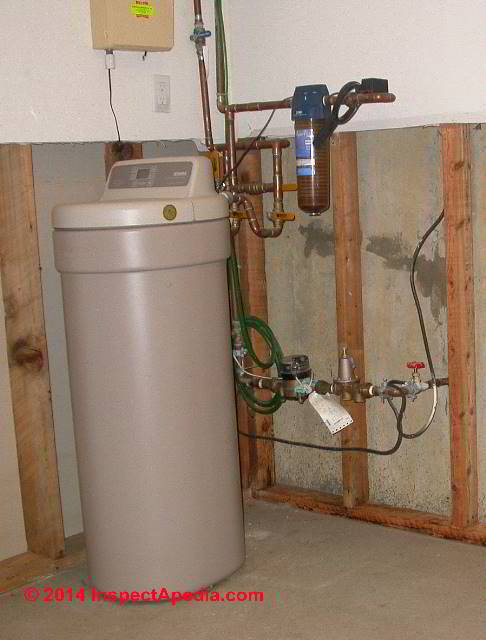
Water Softener Plumbing Supply & Drain Troubleshootingdiagnostic Faqs About Plumbing Connections, Supply, Drainage For Water Conditioners & Water Softeners
A popular option for draining a water softener is installing a french drain.

Water softener drian. One is a brine solution or sodium solution tank and the other is a resin tank. Regeneration is the process of flushing the resin bed, which contains calcium and magnesium.during ion exchange, these minerals are removed from water, in exchange for sodium.eventually, the resin. No, the water softener does not drain during regeneration.
This means water softeners will require a drain, and with that comes rules and regulations for how drains and drain lines can be set up. Also, remove the lid from your brine tank and the cap from the brine well inside the tank. If you would like water softener installation for your home’s plumbing, then give mr drain plumbing a call today.
Without the drain, the brine will try to go back into the hard water line. After installing the first line of your water softener drain, you need to connect it with the other tube. Install the second drain line to the brine tank, and lead this to the same drain that you’re using for water softener.
Some water softener manufacturers do recommend draining water softener wastewater into septic. Especially, confirming the brine line is securely fastening to the safety float. Improves the efficiency of laundry detergent, and provides softer, brighter clothing, linen, and towels that last longer.
Install the second drain line to the brine tank, and lead this to the same drain that you’re using for water softener. Water or air leaks can cause your water softener system to malfunction and the brine tank to overflow. Then put the water softener in bypass and disconnect the drain line, being careful to catch any water coming from the drain line in a bucket — especially if it discharges up.
A cross connection is any point at which a water supply pipe or container is joined directly to a sewer pipe. Additionally, the water softener will not change its cycle until the power is restored in case of a power loss. This backwash generates when you regenerate your water softener.
Secure pipe to flow control and run to drain. Find a bucket that is small enough to fit inside your brine tank or use a large scoop or bowl. Not all water softeners require a drain, but ones that do not act more like filters than softeners.
If you have a leak to drain, water will slowly or quickly flow from the drain port on the valve. If you have any remaining blocks or bridges, dissolve them with hot water. To convert your existing tank clean your tank and disconnect the outlet pipe, clean it out, and make small holes scattered around the bottom of the tank.
The lower part of the conditioner has two surfaces. Moreover, you have to take out the clean water from the water softener as well. This is because the softened water will clog up your home’s sewage pipes in time if you do this.
Read full sourcewhat’s the big stink on septic A drain line is necessary for the proper disposal of the spent water and to avoid any arising issues. Let’s explore why this happens and what you can do instead of draining your softener into your septic system.
5 instructions on how to install water softener drain line. One of the most important components of a proper softener installation is provision for safe drainage by avoiding a possible “cross connection”. Cover the hole with a liner.
A properly installed french drain will receive the discharge water for years and years. The other drain line will connect with the brain tank. 5.2 connect tubing between tanks.
To keep maintenance to a minimum and reduce salt mushing and salt bridging, purchase evaporated sodium chloride salt pellets with a high purity level (99.8% or higher) or potassium chloride salt pellets. If not, your best options are floor. The answer, unfortunately, is no.
Set and attach the pipe. To install a water softener drain pipeline, you need to know about the two lines. It is at this point alone that it is even remotely possible for a water softening.
Then we add rocks and a corrugated drain pipe covered in weed net. 5.3 connect the drain tubes. Make sure the drain, load the brine tank with water softener salt.
5.1 install the bypass valve. Water continuously draining from a water softener is due to the main piston not advancing from the regeneration process, the main piston seals are leaking water to the drain, or a valve in the control head is not opening or closing properly. The unclosed top will ultimately break out all the water that is available in the machine.
Make sure the brine line properly fits to float inside the brine. Do water softeners need a drain. A water softener will stop the spotting of dishes caused by hard water.
You have to take out all the water from the water softener. The benefits of a water softener. Here’s how to clean your water softener:
Alternatively, an old septic tank can serve as a perfect substitute for a dry well. You can simply scoop out all of the water in your water softener by hand with a bucket. Get a clean bucket or scoop:
We dig a 10 ft. This machine needs proper maintenance. The regeneration frequency for water softeners will vary depending on factors like the hardness level of household water and how.
Now you have to scoop all the water in a tub and store it to put back later. Some purchase salt crystals or rock salt with a lower level of. How to drain water softener discharge outside properly.
Install the first drain line at the system’s control valve, allowing backwash water to be drained out when the water softener regenerates. Your system will only use this line as an overflow drain. Install the first drain line at the system’s control valve, allowing backwash water to be drained out when the water softener regenerates.
A water softener does not know if the water is running through it continuously. Install a drain field or french drain. There are a few different methods that you can use to drain your water softener's brine tank.
However, due to some reasons, the water softener might keep on draining. 5.5 run a backwash cycle. Some of these are a faulty computer or too high water pressure.
Dig the hole to fit the dry well. Once disconnected, slowly open the bypass valve; The answer to that question is a definite yes.
Water softeners require a drain to discharge the backwash. Typically, it is set to drain one or two times in a day, depending on several factors. There are some methods that will let you drain the water softener resin tank, including these:
Finally, fill up the tank with pea stone attach the water softener drain and your tank is ready for use. Some areas will allow for discharge in septic systems; Use a bucket or scoop:
Your water softening salt choice makes a difference. Ion exchange water softeners need to regenerate to keep up with their water softening performance. So if you’re thinking about installing one in your own home, don’t worry that it will empty out into your basement every time the unit is regenerated.
The first line of the drain is a valve made for disposing of the water during the regeneration process. Manually index control to the fill position again by advancing black center knob slowly. You need to either siphon or dump all of the water out of your tank and then discard any excess salt.
As a result, the discharge will overflow, and there will be water line issues. These two surfaces secure all the water that is drawn out all the water. Install the dry well and cover with stones.
Your system will only use this line as an overflow drain. 🙋 why does a water softener system need a drain line?