You’ll clearly hear the noise coming from your water pump; If a proper filter is not used on the intake side of the pump, debris can be allowed to enter the pump housing.
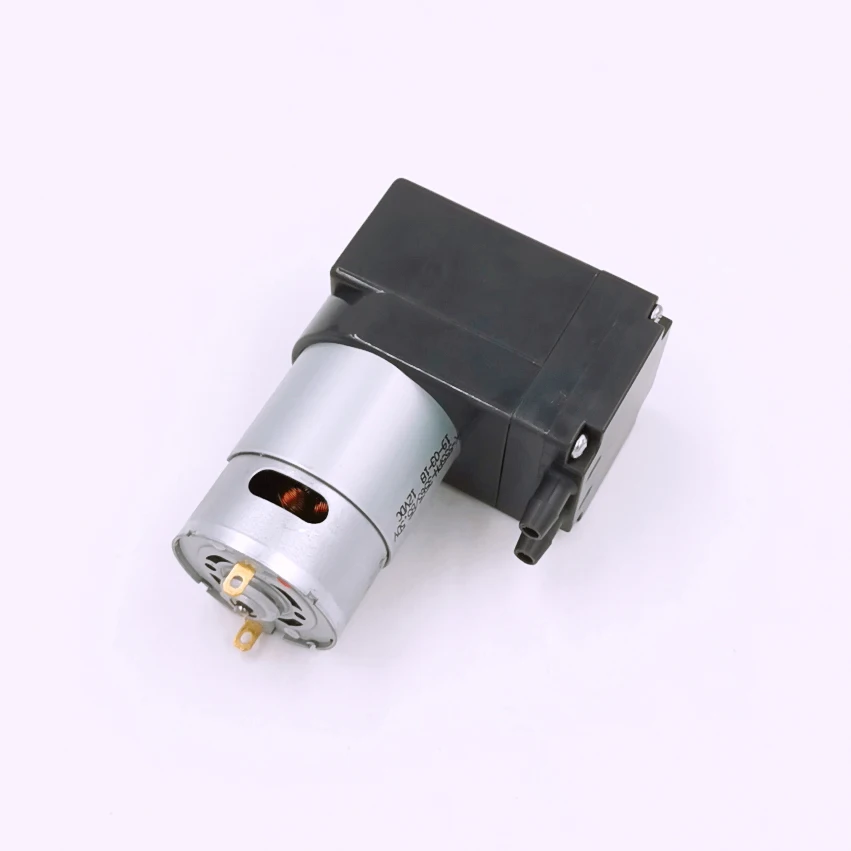
Flow 10Lpm 160Kpa Pressure Mini Dc 12 Volt Pump With Low Noise - Buy 12 Volt Pump,12 Volt Pump,12 Volt Pump Product On Alibaba.com
If debris enters the pump, discontinue use immediately and flush out.

Flow pump noise. Locate the pump and turn it off or unplug it. Touch the front of your water pump housing; To reduce the overall pump noise.
However, the noise contributed by the pump itself is small relative to that generated from its associated motor. For purposes of soundproofing a water pump, you first need to get a box that is several inches bigger than the pump. Cavitation is not always the culprit.
As a result, the peaks in the flow are reduced by more than 50%. Worthington suggests 30 gpm/100 horsepower. Push a hose onto the end of the valve.
Unbolt the pool pump motor so that it can be lifted from the surface it’s attached to. There might be dirt that’s blocking the pump, so get rid of it carefully. The hose should be long enough to reach a drain pan or container on the ground.
This will increase the level of steering effort required by the driver, which should give. Put the other end of the screwdriver or hose, against your ear. This common type of noise is caused by the closing of the system’s.
A plywood box or panels/frames made of acoustic material is ideal for effective deadening of noise. A section of the waste treatment system in which excessive pump noise and vibration occurred on backup pumps 1, 2 and 3. Try finding out the source of the noise.
While the minimum safe continuous flow can be calculated, the following guidelines are offered by pump manufacturers: This heat exchanger and control valve is located at an elevation of 45 feet. The main pumps were sized to operate at 600 gallons per minute (gpm), and the three backup pumps were sized to operate at 1,200 gpm.
Finally, if the bearings are worn out or damaged; This debris (usually dirt or sand, sticks, leaves, rocks) will cause damage to the impeller and can cause the pump to make more noise than usual when pumping water. The whole system is less excited by the reduced flow pulsation and is quieter.
An initial sketch of the pump suction piping is shown in figure 1. As the bearing causes a rough rotation of the pump shaft. Once you detect the part that’s making the noise, slightly tap the side of the pump a few times.
A banging or thudding noise: This reduces the choked dp and choked flow rate. The water flow, thereby reducing vibration of pipes.
Pumps in clean liquid services shall be suitable for continuous operation at 30% of the rated. Examine the pump to ensure that it is fully submerged in water. How to quiet the noise in a fountain pump 1.
A bypass line is most commonly used when there’s an issue meeting the minimum flow requirements, and/or for protection against deadheading the pump. Slide a sponge, cloth, cleaning pad or other spongy material between the side or. If you want a better solution, clean the pump carefully.
Cavitation is a common pump problem that is characterised by a high pitched whining sound or, in extreme conditions, a severe rattling sound. It could be as simple as a continuous bypass, where the requirements are only piping and an orifice. The tapping should free it up.
The authors used potential flow analysis through a. Firstly, it focuses on the physical mechanism behind the. A minimum flow bypass, or recirculation, line can be configured many ways.
A flow restrictor helps reduce the pump’s output. Vibrations, rattling or knocking noises: With the tip of the screwdriver shaft or one end of the hose.
Built to a power unit and incorporated into a hydraulic system, the lower pulsation causes a total reduction in primary and secondary noise by 3 db (a) typical, and in some cases even up to 5 db (a). Common types of sewage ejector pump noise: Generally, pump operators assume a cavitation issue, if the following signs occur:
Since the required dp across the control valve (27.49 psi) is greater than the choked dp (27.44 psi), the valve would operate under choked flow conditions at 750 gpm. An exposed pump can pull in air, which may cause. To help, we’ve created a downloadable troubleshooting guide containing more information about each of these issues.
Indeed acoustic materials are well known to play a significant role in noise control solutions but this is another story for. Pressure problems and flow problems. This type of sewage ejector pump noise can be caused by poorly secured pipes and can be fixed by properly securing pipes with clamps near floor joists and ceilings.
Turn the vehicle on and then slightly loosen the valve. Pump noise caused by cavitation: