A clogged regenerator brine line flow control will stop the water from draining properly. A drain line is necessary for the proper disposal of the spent water and to avoid any arising issues.
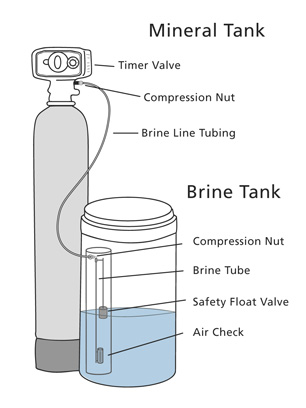
5600 Or 2510 Water Softener - Installation & Setup Instructions – Pure Water Products, Llc
Use a bucket or scoop:
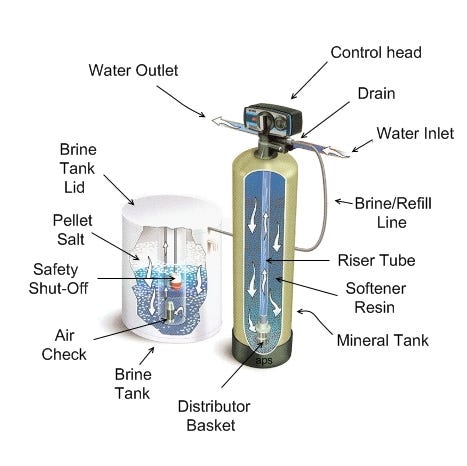
Does a water softener brine tank need a drain line. Remove the float from the inside of the pipe and then disassemble the overflow arch if your device has. Drain or siphon water out of the brine tank (don’t use this water/salt mixture on grass or plant roots since the high sodium level may wound the grass or plant roots). Steps on how to drain tank on brine water softener.
To do this, turn off the power to the water softener. To convert your existing tank clean your tank and disconnect the outlet pipe, clean it out, and make small holes scattered around the bottom of the tank. Once the brine tank is drained, you can refill it with fresh water.
Dump water out of the brine tank. Do water softeners need a drain. It would drain the tank during the brining stage.
A water softener is a unit that is used to soften water, by removing the minerals that cause the water to be hard. Then, disconnect the hose leading from the brine tank to the water softener. Why does my drain line need regular cleaning?
Find a bucket that is small enough to fit inside your brine tank or use a large scoop or bowl. The answer to that question is a definite yes. Install the first drain line at the system’s control valve, allowing backwash water to be drained out when the water softener regenerates.
This means water softeners will require a drain, and with that comes rules and regulations for how drains and drain lines can be set up. Your system will only use this line as an overflow drain. Your system will only use this line as an overflow drain.
For most brine tanks, i recommend adding salt when the level of the salt goes below the level. You must first remove the brine well before trying. You can simply scoop out all of the water in your water softener by hand with a bucket.
There are a few different methods that you can use to drain your water softener's brine tank. Install the second drain line to the brine tank, and lead this to the same drain that you’re using for water softener. As a result, the discharge will overflow, and there will be water line issues.
You can pour water from your water softener into the drain as it is not dangerous to the environment. So, to ensure safety, you must remove all lines and hoses connecting the water softener to the brine tank. Not all water softeners require a drain, but ones that do not act more like filters than softeners.
A salt clog in the tank of a water softener will also cause this problem. This should be at least one bag of salt if not two or three. Formation of a salt bridge ;
Don’t worry too much about the specific amount of water. The nearest floor drain is about 20 ft away on the other side of a block wall (in the garage). Make sure no objects are blocking the small hole in the drain at the bottom of the brine tank.
It will stop from automatically refilling. The brine efficiency is determined based on the water level in the tank. Iron ions may also be removed during softening.
Reconnect the brine tubing and drain tubing to the brine tank and add 5 gallons of clean water into the brine tank. I have just about everything planned out, except where to run the brine tank overflow line. Without breaking cement and plumbing a drain, the only ideas.
Make sure that the salt level always remains a few inches above the water level. The brine tank would have the salt and water to make the brine work as usual. The brine is used to recharge the media bread contain in the water softeners.
The output of this typical 30 minute process is discarded through the drain hose. Install the first drain line at the system’s control valve, allowing backwash water to be drained out when the water softener regenerates. If you need to move your tank, you must first bypass the water.
After the pump is connected to the water softener, the drain pump should start to fill the brine tank. Be sure the floor where the brine tank sits is clear of debris. It’s no different for dry brine tanks.
How much salt is in the. When a septic tank is installed alongside a drain field, it can be used to disperse water softener water from the brine tank across a large surface. Some areas will allow for discharge in septic systems;
Without the drain, the brine will try to go back into the hard water line. You can program your system to start a manual regeneration cycle. If not, your best options are floor.
Alternatively, an old septic tank can serve as a perfect substitute for a dry well. Water softening is a technique that serves the removal of the ions that cause the water to be hard, in most cases calcium and magnesium ions. In order to perform regeneration, the safety float needs to.
When the tank is full, the pump will stop. A malfunctioning or clogged brine tank drain line; Plug up any holes where air might escape during drainage.
Finally, fill up the tank with pea stone attach the water softener drain and your tank is ready for use. That’s because all water softener brine tanks need water in them to make the brine solution that they use to make the mineral removal process possible in the main tank. There's very limited options on where to install the unit in my house.
Install the second drain line to the brine tank, and lead this to the same drain that you’re using for water softener. In your brine tank is the long cylinder that contains the safety float. Get a clean bucket or scoop:
If the salt has formed one solid mass (known as bridging), manually. Since the water softener puts water into your brine tank from the bottom and draws the brine that is created from the bottom of the tank, you only need to have enough salt in your brine tank so that the level of salt is higher than the level of water. The different types of brine tanks would have varying capacities to hold the water in the tank.
Turn off power to the unit. Use a hose or bucket to pour out all of the liquid from inside. It’s worth noting that there has been some debate over the safety of using a septic drain field , but there isn’t enough conclusive evidence to determine whether this drainage method is unsafe.
Select the option to skip the rest of the cycle when the tank is full. And before you add new salt pellets to the brine tank, be sure to loosen up any encrusted salt that may be sticking to the edges of the tank and make sure to break up any large pieces of salt.
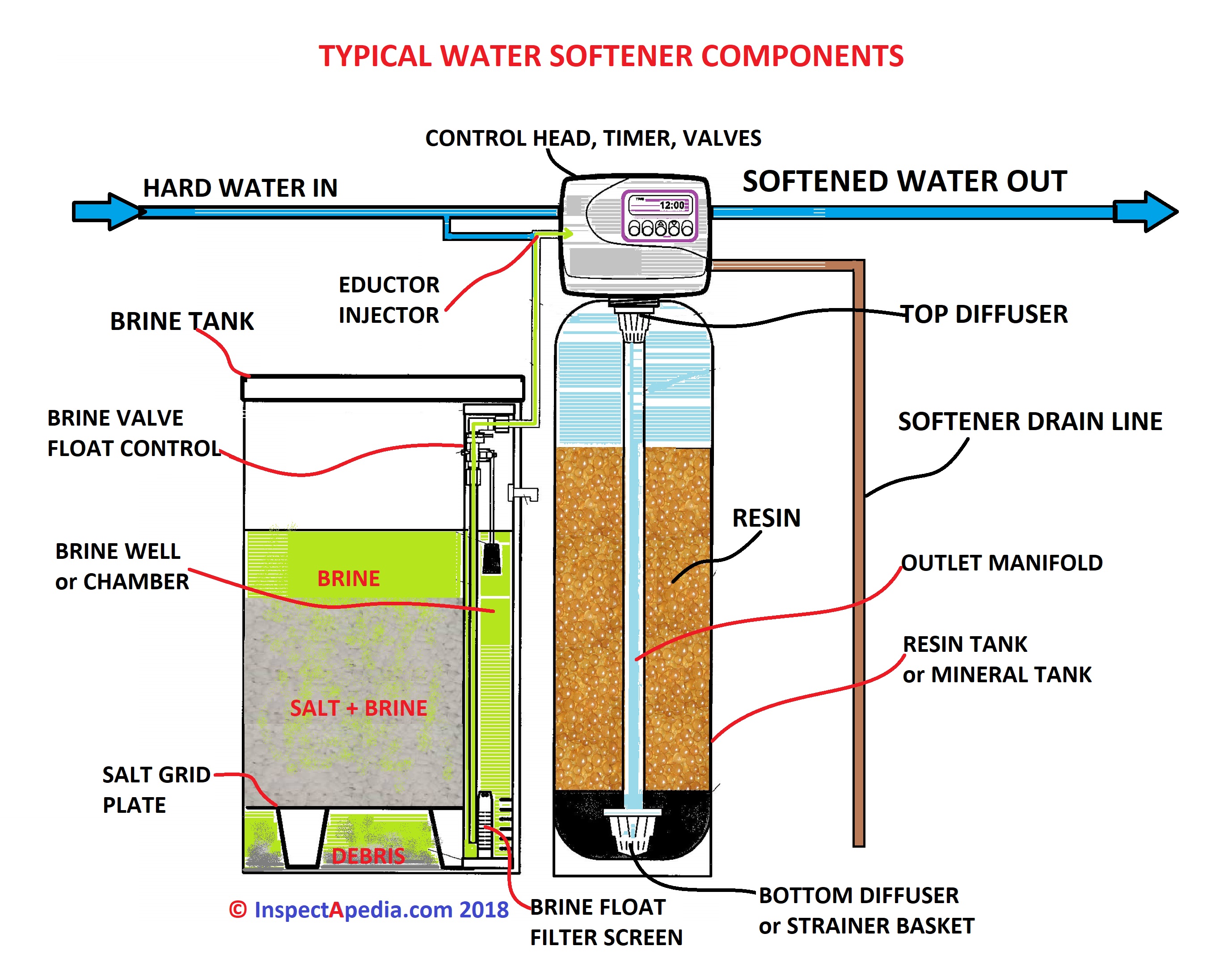
How Water Softeners Work - A Guide To Water Softener Operation, Maintenance, Adjustment

Water Softener Maintenance 101 – Fresh Water Systems

Tips For Water Softener Installation And Maintenanc Long Beach, Ca

Water Softener Repair & Problem Troubleshooting Guide - Is Your System Working?

How A Water Softener Works - H2O Distributors