This pipe has a red gate valve that you rotate a couple times to close or open. There are two transport pipes in condensing boiler units:
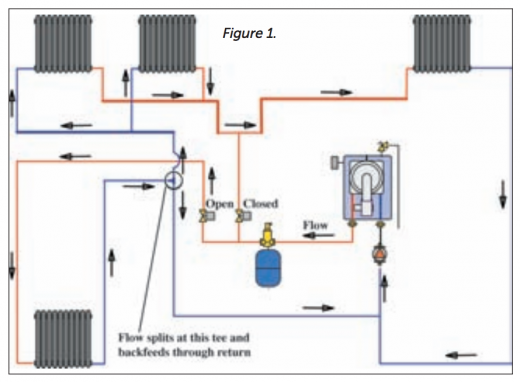
The Return Pipe That Was A Supply
Boiler starts and pipes start to get hot.
Boiler outgoing and return pipes. Weirdly, the copper return piping near the boiler reduces to 1 before going into the circulator. To try not complicating thing’s the flow and return of the hot water to the cylinder sometimes known as the central heating pipe, is in fact the boiler flow and return, but to keep thing more simple as it is connected more so to the central heating and shares the same water to the central heating we will address it as the central heating pipes. The boiler then cuts out, guessing getting to warm.
Turn it to ch mode and the return pipe gets boiling hot to touch, boiler runs for 2.37 mins and cuts off, and return pipe flow dosn't seem to go anywhere. For pipe sizes of 2 inches and smaller, flow velocity should generally not exceed 4 feet per second. Fresh water contains lots of oxygen, and oxygen causes corrosion.
The plumber doing the works now, was not who installed it. In both diagrams the red lines are flow and blue return, bolder lines are 22mm pipes and the thinner are 15mm. Touching the pipes they are red hot apart from the boiler return that seems cool.
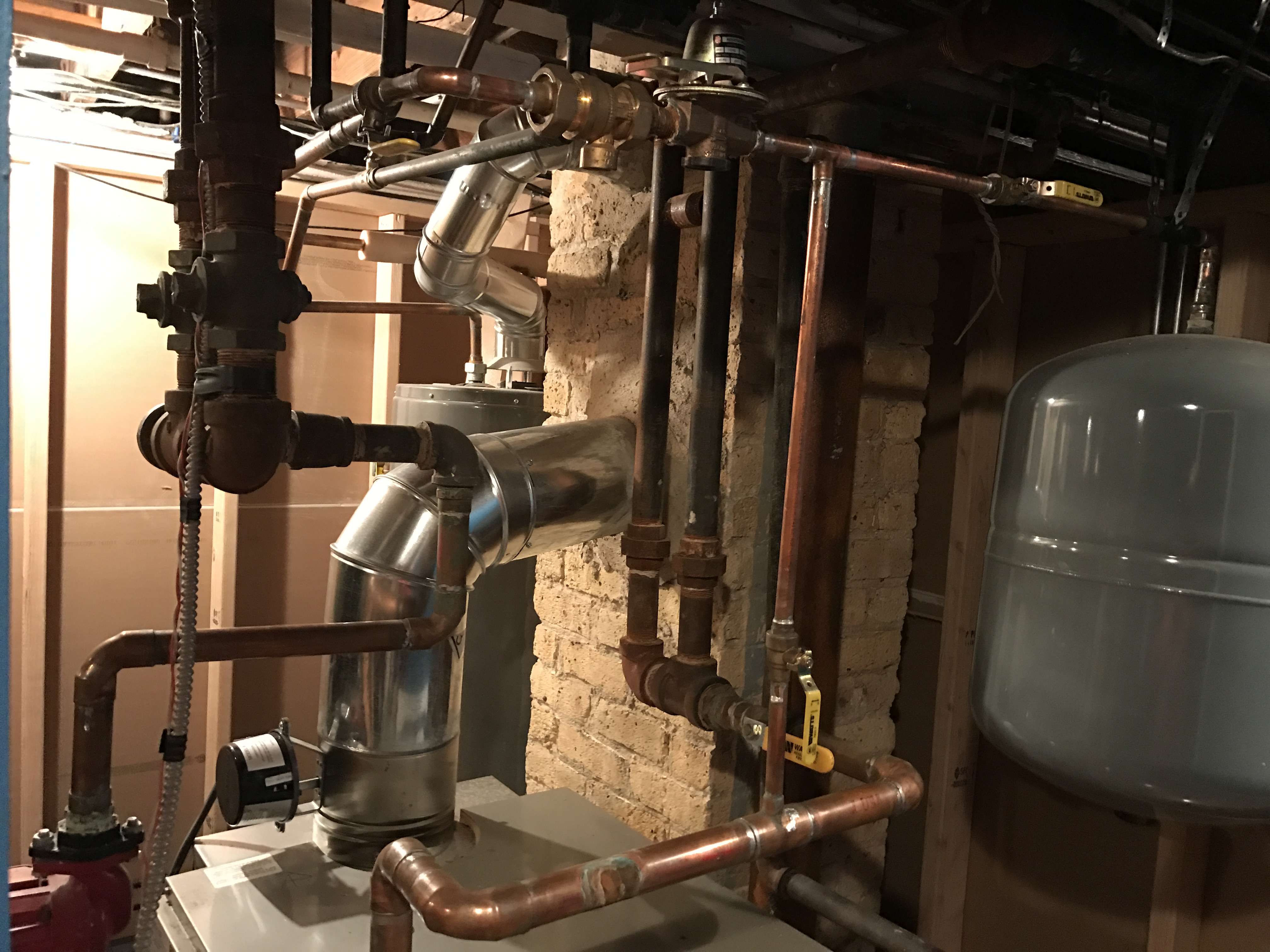
The installed has done a runner and we can't get hold of him to rectify the fault, so were having to pay out even more money to get. Boiler supply and return piping. Where it connects to the two steel supply elbows there is a tee facing down on each of the supplies.
The main floor zone piping was cool at the boiler, yet the mains were very warm 10. The flow pipe transports heated water through a system to the radiators. I discovered the noise coming from what seems to be the boiler return from the hot water cylinder coil.
The issue is if just central heating is on. Notice that the supply pipe size decreases as the circuit moves away from the heat source while the return pipe size increases. Reverse return piping is a hydronic balancing method that equalizes the differential pressure across all hvac units by rearranging the return water pipe such that the first unit that provides supply water be the last unit to receive return water thereby eliminating the need for balancing valves.
Small, dripping leaks may not require this, but if there’s a lot of water leaking from the overflow pipe, the situation could be more of an emergency. Drop 1 now has 3 radiators, it used to have a single. If you have an automatic feeder and any buried steam or condensate lines, it pays to.
Additionally, if not installed properly flow problems will occur in radiators and/or baseboards. Pipe size changes are made to keep flow velocity or head loss along the main approximately equal. The supply and return for each radiator or baseboard.
The two returns are teed together above the boiler water line. Level piping holds water, so it must have fallen. The total heat loss from the whole pipe line can be calculated as
He showed us the arrows on the boiler adjacent to the pipe fittings ! The pipe coming out of the boiler is copper. The flow and the return pipe.
When i fully close the valve the noise stops. Good supply and return insulated pipe will increase the efficiency of the boiler and reduce overall the heat loss of the entire system as a whole throughout the heating season. The monoflow tee is installed at the supply and the return.
Feed water also contains minerals that will settle out when you heat the water. Be careful to identify the correct. However, the piping pitch is much more crucial to this system.
The piping must have pitch or fall to help the steam rise, and more importantly, to allow the condensate to flow back to the boiler. Before the water reaches the boiler, condensing units have heat exchangers that. If you cannot stop the leak, turn off the stop tap and switch off your boiler.
This boiler water loop system is easy to zone but needs more piping and special monoflow tees for each separate circuit. Return pipe part no s801048 for a glow worm energy saving combi gc 2 80 47 047 13, model no 801091. They should be teed together below the water line.
Only contact a gas safe registered engineer to fix boiler issues that. Also, a hartford loop is required to connect the supply and return. The engineer called and found that the flow and return pipes had been connected the wrong way round.
A return pipes guide the remaining water (after heat dispersal) back to the boiler to be reheated. The property used to have a back boiler in the living room which i've marked as drop 2 hence the 22mm pipes that go upstairs from those radiators. All round unhelpful and taking money off an old lady for several decades.
Hopefully the diagrams are useful. The boiler input and output are 1.25, and the copper supply pipe is 1.25 as well. With water at temperature 50 o c the average specific heat loss from the pipe line is estimated to 30 w/m.
The arrows show the direction into the boiler so the return pipe is shown as into the boiler not out to the pipe. The outgoing b&g 100 is only three years old, so it'll probably still fetch a decent price on ebay or whatnot. If you first identify from the installation manual which is the flow and which is the return, then turn the heating or hot water on ,the flow pipe should get hot first (the return pipe soon after) but you have to be quick when you feel the pipe.
Thanks for all your help, the plumber came back today and swapped the pipes around, quite a job. I think the boiler has been dripping for months (floorboards wet/mouldy when i lifted the carpet), and bgas didn’t even notice when they did the annual service in october. Insulate exposed piping wherever you find it and replace old insulation that is falling off.
After a while you can hear what sounds like boiling water in the pipes in the airing cupboard. The length of a pipeline inclusive the circulation line is 100 m. That is the condensate return.
So, i did some research. Await an engineer for the issue to be fixed. Some of the piping was exposed in the basement.
The boiler sounds a lot more smooth and healthy now.
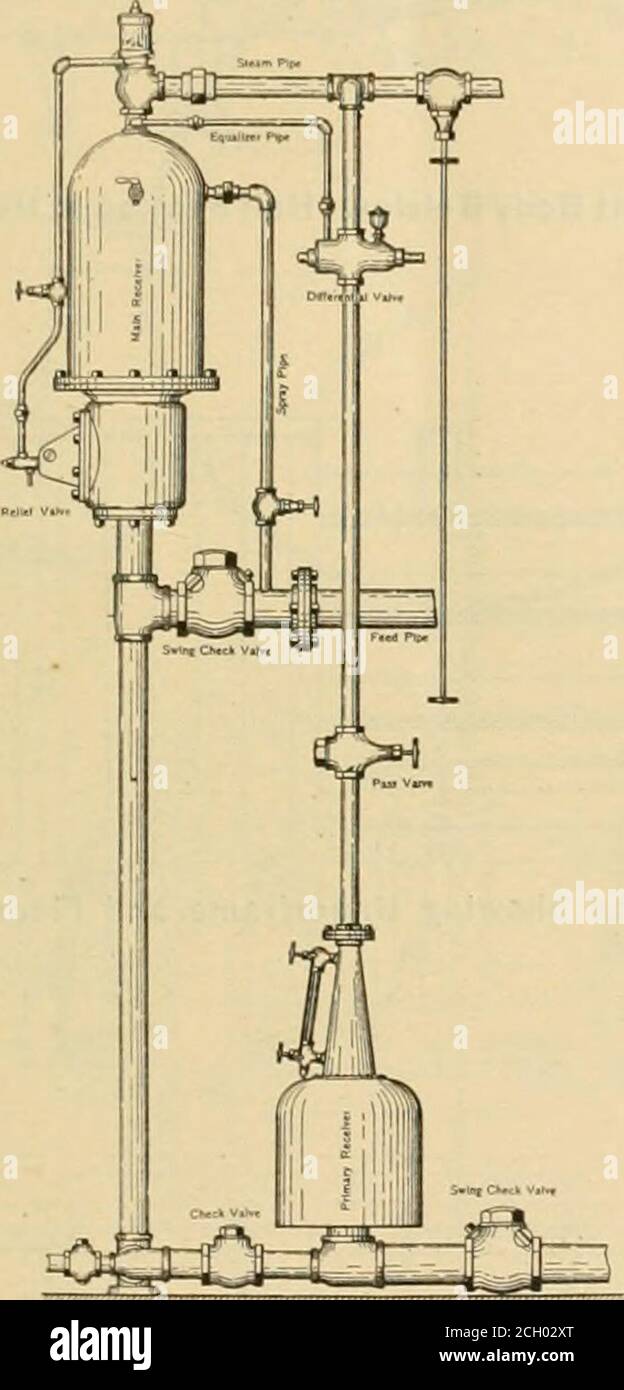
American Engineer And Railroad Journal . Wer Ond Of This Receiver With The Main Feed Pipesleailink To The L)()Ilers. The Lower Or Primary Receiver Is Also Cyiiudrii Iil In Shape,T)Ut Is
Adding Heating To Basement
Boiler Getting Overpressurized -- Reaches 30 Psi And Prv Releases Water | Terry Love Plumbing Advice & Remodel Diy & Professional Forum

Which Pipes Are Better For Tying Heating Boilers + Installation Tips

Hoping For A 2Nd Opinion On A Radiant Heating System With 3 Zones - Only 2 Seem To Work At One Time — Heating Help: The Wall